
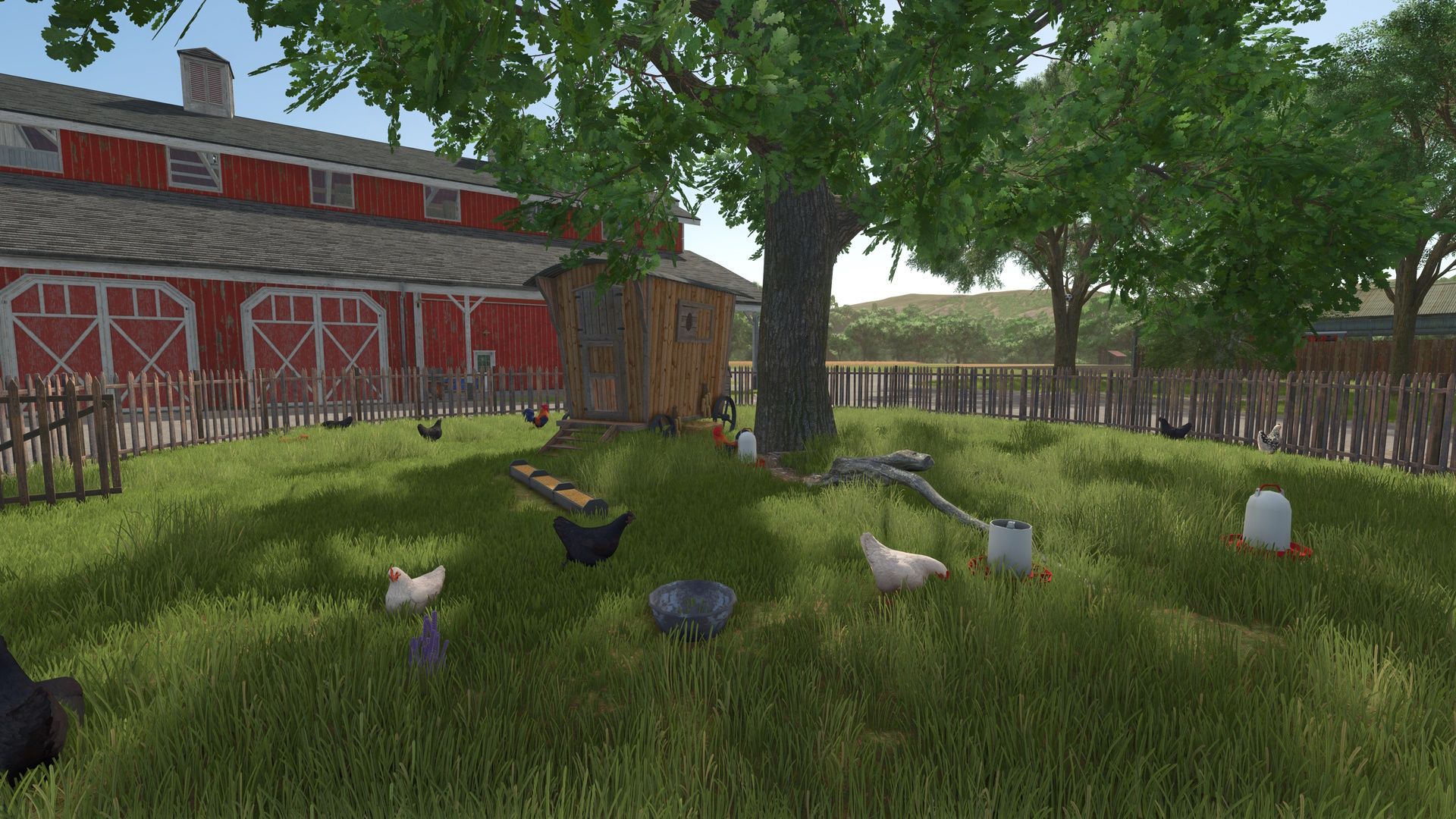
As examining « Just Chicken Pass » within the Britain, it’s crucial to look at participant conduct, engagement metrics, and match equilibrium. You will want to explore not just quantitative information such as success rates and ongoing playing time but also gather qualitative understandings through participant comments. This comprehensive approach helps discover inequalities and promotes society engagement. But what distinct trends are currently arising which might influence the prospect of gaming?
Key Takeaways
- Set explicit parameters in order to comparing match systems, participant interactions, and execution measures so as to secure a strong examination of the Chicken Traverse match.
- Evaluate participant engagement indicators, such as ongoing game time and regularity, in order to assess the match’s appeal in the UK industry.
- Examine match stability via win rates and participant responses so as to identify equity and inclusivity inside contestant gaming between United Kingdom players.
- Obtain descriptive participant feedback via polls to gain understandings about gratification and frustrations specific for the UK player group.
- Utilize varied statistical techniques to secure reliable comparisons and provide a comprehensive understanding of participant conduct and engagement within the United Kingdom.
Overview of the Fair Chicken Cross Match Systems
Inside the Equitable Hen Traverse game, gamers traverse a bustling farm environment, evading hindrances when they aim to cross the path safely. The player manage a poultry, and your objective is to arrive at the other part without getting getting hit from cars or other rural dangers.
You will meet numerous challenges, such as mobile vehicles, puddles, and agricultural animals, needing fast reactions and tactical thinking. Gamers are able to gather boosts that temporarily boost the player’s abilities, causing crossings simpler.
Timing is crucial as you decide when to move forward, weighing hazards carefully. The level designs get progressively more difficult, keeping the gameplay captivating.
Each successful crossing grants points, pushing you to better your skills and achieve better scores, adding replay value to the overall experience.
Metrics for Evaluating Player Behavior
While playing Fair Chicken Cross, understanding player behavior is crucial for enhancing the gaming experience. To evaluate this behavior, you can use several metrics. Start with player engagement, which measures how long players are engaged and their frequency of play.
Next, observe player choices, like decision-making speed and preferred strategies, to gauge their versatility. Another key metric is social interaction, including how often players communicate or team up.
Tracking in-game achievements can reveal skill progression and motivations. Additionally, player feedback through surveys offers insights into satisfaction and frustration points.
Framework for Comparison Analysis
Evaluating player behavior in Fair Chicken Cross sets the stage for a solid comparison analysis framework. You’ll want to establish clear parameters that define what you’re comparing—game mechanics, player interactions, or performance metrics.
First, identify key variables, such as decision-making patterns and reaction times. Next, gather data from various player demographics to capture different perspectives. Utilize statistical methods to ensure your comparisons are legitimate and reliable.
You should also consider qualitative feedback to improve your analysis. By framing your analysis properly, you can draw valuable insights into how different elements of the game influence player experiences. Ultimately, this framework allows you to highlight strengths and weaknesses in Fair Chicken Cross, directing future enhancements.
Impact of Game Design on Player Enjoyment
When you engage in a game, the visual aesthetics can significantly shape your entire experience.
Engaging gameplay mechanics keep you hooked and make the experience memorable.
Let’s examine how these elements work together to improve or diminish your gaming experiences.
Visual Aesthetics’ Influence
Visual aesthetics play a vital part in shaping your entire experience of a video game, influencing your emotional connection and involvement.
When you engage with eye-catching graphics, vibrant colors, and captivating designs, it immerses you in the gaming universe. You begin to feel truly connected to the protagonists and the narrative, rendering each instance feel more meaningful.
A consistent art style improves your understanding of the theme of the game and mood, helping you to appreciate the creative artistry involved. If a video game is visually appealing, it frequently encourages you to discover, try new things, and dedicate your time.
In the end, the aesthetics can enhance your gameplay, transforming ordinary play into something unforgettable, as you enjoy the beauty and ingenuity of the world before you.
Gameplay Mechanics Engagement
Well-designed gameplay mechanics are vital for maintaining your interest and invested in a game. When you interact with intuitive interfaces, smooth movement, and gratifying feedback, you feel a sense of immersion that enhances your pleasure.
Consider how gratifying it feels to master a difficult feature or achieve a difficult objective. These aspects not only challenge you but also promote exploration and experimentation.
A well-designed video game values your effort and skill level, offering incremental benefits that keep you motivated. When mechanics integrate smoothly together, they establish a flow that draws you further into the experience.
In the end, it’s these thoughtful design decisions that enhance your connection to the video game, making each play session unforgettable and exciting.
Evaluating Equity in Competitive Gameplay
When you think about fairness in competitive gameplay, evaluating game equilibrium is essential.
You must take into account how effectively each character or strategy competes with the rest.
Additionally, assessing player skill can reveal whether wins result from skill or disparities in the game.
Game Balance Evaluation
As you dive into the Fair Chicken Cross game, you’ll swiftly realize that balanced gameplay is crucial for maintaining fair competition. A well-balanced gameplay guarantees that no single character, tactic, or item consistently overpowers the rest, making games thrilling and unforeseeable.
You’ll want to explore how different elements engage and whether specific choices result in inequitable benefits. Look closely at victory rates and player feedback to spot possible disparities. This data helps you gauge if adjustments are needed, such as altering character abilities or modifying game mechanics.
Engaging in regular assessments promotes a fair environment and motivates gamers to improve their tactics, eventually improving their overall gameplay. A balanced gameplay maintains everyone invested and driven to improve their skills.
Player Skill Assessment
While assessing player skill is crucial for guaranteeing equity in rivalrous gameplay, it also enriches the gameplay.
By precisely assessing your skill level, you can recognize strong points and areas for improvement that influence your gaming tactics. You’ll discover that comprehending your capabilities helps you select appropriate games, resulting in more engaging and equilibrated encounters.
In the Fair Chicken Cross game, various measures—like win rates, reaction times, and decision-making abilities—play a crucial role in this assessment.
Focusing on these factors permits you to refine your skills and develop a more profound bond with the game. So, embrace the assessment process; it not only encourages equity but eventually enhances your satisfaction and gratification as you vie with others.
Case Studies of Gameplay in the UK
Although various case studies have explored gameplay in the UK, few capture the distinct dynamics of the Fair Chicken Cross Game. Players often recount their accounts, noting how planning and timing significantly influence results.
One case study highlighted a local tournament where players adjusted their approaches based on the weather, demonstrating adaptability in gameplay.
Another focused on social interactions, as players often joined forces or collaborated, enriching the entire event.
You might also discover that various age groups approach the game differently; more youthful players are often more aggressive while more mature players favor prudence.
These insights provide you with a clearer picture of how various factors influence gameplay, turning the Fair Chicken Cross Game not just a assessment of ability, but also a mirror of community culture.
Future Implications for Game Development and Community Engagement
Building on the findings from case studies in the UK, the prospects of game development for the Fair Chicken Cross Game can considerably benefit from these social interactions. Including players in the design process cultivates a notion of ownership and connection, permitting you to access concepts that resonate with your players. Including group input not only boosts gameplay but also fortifies connections among players.
Additionally, arranging activities and competitions can drive involvement, motivating users to invest energy in the game. Focusing on diversity ensures a broader player base, which can result in ongoing involvement.
As you prioritize these aspects, you’ll create a dynamic ecosystem where players feel valued, ultimately culminating in a thriving community that backs sustained game success.
Frequently Asked Questions
What Drove the Development of Fair Chicken Cross Game?
You’ll find that the fair chicken cross game emerged from a aspiration to create engaging, interactive experiences. It promotes teamwork and strategy, motivating players to collaborate while tackling challenges in a entertaining and gratifying way.
How Can Players Contribute to Game Development Feedback?
You can provide to game development feedback by sharing your experiences, suggesting improvements, and notifying bugs. Engaging with developers on forums or surveys guarantees your voice shapes the game’s future constructively. Your input really is important!
Are There Any Cross-Game Tournaments Organized for the Future?
Yes, there’re cross-game tournaments planned in the future. You can keep informed by tracking game developers’ announcements or becoming part of community forums where information about upcoming events and participation opportunities are often shared.
What Demographic Trends Are Observed Among Players in the UK?
You’ll notice a rising diversity in UK players, with an increase in female participation and younger gamers. Age groups are evolving, with more millennials and Gen Z participating, mirroring broader societal trends in gaming culture.
How Does Fair Chicken Cross Affect Local Gaming Communities?
Fair Chicken Cross fosters camaraderie and collaboration in local gaming communities. You’ll see players sharing strategies, forming teams, and taking part in events, which strengthens bonds and improves the overall gaming experience for everyone involved.
Conclusion
In conclusion, the analysis methodology for analyzing « Fair Chicken Cross » delivers crucial understandings into player actions and play stability. By assessing engagement metrics in conjunction with gamer feedback, you can identify both strong points and shortcomings within the play. This method not only improves rival impartiality but also fosters a flourishing group. As you plan for the forthcoming, these findings will be invaluable for improving gaming development and enhancing participant gratification, ultimately ensuring long-term success for « Fair Chicken Cross. »
 FR
 EN